

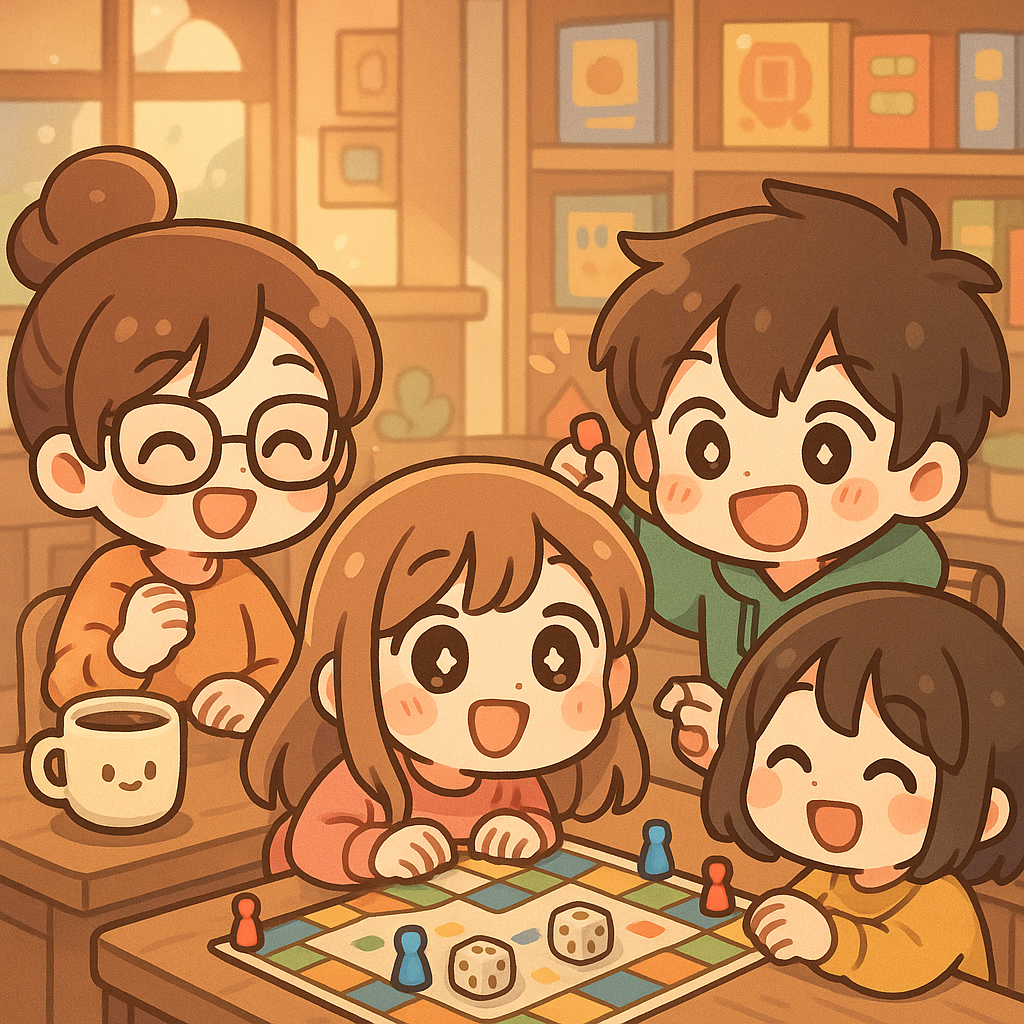
Walk into a board game café in 2025 and you notice two things almost instantly. First: the smell of coffee and the hum of chatter. Second: the look on people’s faces when they’re halfway through a tense strategy game, focused and animated in a way you don’t see when they’re just staring at a phone.
board game cafés 2025; These cafés aren’t quirky side projects anymore. They’ve become social lifelines, mental gyms, and cultural hotspots. They fight loneliness, sharpen minds, and give people community in a way few other modern spaces can. If you think they’re just about dice and meeples, you’re missing the bigger picture.
Why Board Game Cafés Are Thriving in 2025
The board game industry has been expanding steadily for a decade, and 2025 is no different. Global reports project billions in growth over the next few years. But board game cafés are where that abstract market growth takes shape in real life.
From London to Seoul, Toronto to Tokyo, these spaces are popping up everywhere. Unlike pubs or regular coffee shops, cafés with shelves stacked full of cardboard actually give people a reason to interact. The board is a social script, an icebreaker, a conversation waiting to happen.
The mix of people they attract is striking. Families come in for kid-friendly titles, students huddle around party games until late, and veteran hobbyists bring in their newest heavy strategy imports. Everyone ends up sharing tables, swapping rules, and laughing at the inevitable misplays. The café becomes less like a venue and more like a community hub where conversations spill beyond the game itself.
Reviving Human Connection
Board games are inherently social. They require at least two players, force people to sit face-to-face, and use mechanics that encourage interaction. In a café setting, this social element becomes even more powerful.
- Barriers fall away. Newcomers don’t have to walk into a room full of strangers and start cold conversations. They just sit, learn the rules, and play. The game takes care of the ice-breaking.
- Friendships take root. Regular visitors see familiar faces, start to form groups, and gradually turn casual chats into real bonds. A weekly café night can turn into pub nights, study sessions, or long-term friendships.
- Inclusivity is baked in. Different ages, cultures, and backgrounds gather around the same table. Unlike a nightclub or a bar scene, the vibe is open and accessible. Teens, parents, and retirees can all find common ground over cardboard.
For anyone dealing with social anxiety or isolation, this structure is invaluable. Games provide a safe framework for conversation, letting people participate at their own pace without the pressure of constant small talk.
Battling Social Isolation
The statistics on loneliness are grim. Governments are calling it a public health crisis. Board game cafés are an unexpected answer. They make regular, low-pressure interaction possible.
- Routines matter. Weekly game nights create a rhythm that’s crucial for people who might otherwise isolate themselves.
- Fun without stigma. Going to a café for a board game session feels like entertainment, not therapy. Nobody feels “diagnosed,” yet the benefits mirror structured social programs.
- Stress relief built in. Studies link gaming with lower cortisol and improved mood. Add laughter, friendly rivalry, and the cozy setting of a café, and the effect multiplies.
The magic is that cafés deliver mental health support by accident. People show up for fun and leave feeling lighter, connected, and more grounded.
For those currently Struggling you can also try
Nottinghamshire Crisis Line: 0808 196 3779 (For anyone in crisis, including young people via CAMHS).
NHS 111: Dial 111 and press option 2.
Samaritans: 116 123 (24/7 listening service).
Shout Crisis Text Line: Text SHOUT to 85258.

The Cognitive Edge: Why Your Brain Loves Board Games
It’s not only your social life that benefits. Board games are sneaky training tools for your brain. Psychologists call them “cognitive workouts” because they target attention, memory, and problem solving all at once.
Attention and Focus
Most games demand sustained focus. Miss one turn and you’ve lost your advantage. This sharpens the ability to concentrate for longer stretches, something we all struggle with in an age of constant notifications.
Memory
Rules, strategies, opponent patterns—all of this taxes your memory. Even simple games like Uno or Dobble push working memory, while longer strategy games reinforce long-term recall.
Strategic Thinking
Anticipating moves, planning ahead, adapting to surprises: these are executive functions. They improve real-world problem solving, from navigating work projects to deciding whether to risk another pint.
Social Cognition
Games require you to read others. Is that bluff genuine? Is your opponent holding back? This constant negotiation develops empathy, communication, and the skill psychologists call “theory of mind”—the ability to see from someone else’s perspective.
Creativity and Flexibility
Some games force improvisation. One week you are farming in Agricola, the next you are guessing surreal clues in Dixit. Switching gears builds flexible thinking and encourages creativity.
The Café Effect: Coffee Meets Cardboard
Here’s where the setting amplifies everything. Psychologists talk about the “coffee shop effect”—the idea that moderate ambient noise and social energy can boost creativity and focus. Combine that with the stimulation of a board game and you get a double dose of brain fuel.
Then add caffeine. Coffee improves alertness, mental clarity, and mood. So when you’re sipping a latte while planning your next move in Pandemic, you’re not just having fun—you’re giving your brain a full workout.
Industry Impact: How Cafés Shape Games
Cafés aren’t passive players in the industry. They influence what kinds of games succeed. Designers know cafés thrive on:
- Rules that can be taught in minutes.
- Mechanics that maximize social interaction.
- Replayability that keeps games fresh for repeat visitors.
Publishers are responding by producing more accessible yet engaging titles. Many cafés even collaborate directly with designers, offering playtests and spotlighting new releases. A café hit can quickly become a wider market success.
This loop is reshaping tabletop design in real time. Inclusivity, interaction, and accessibility are now just as important as complexity or depth.
Beyond Play: The Emotional and Psychological Payoffs
Board games don’t just build mental muscles. They nurture emotional resilience.
- Learning to lose. Everyone has to deal with failure at the table. Managing frustration and bouncing back is emotional training in disguise.
- Confidence boosts. Mastering a game, even something light, builds self-efficacy. For socially anxious players, it can be transformative.
- Calm through play. Studies show play lowers stress. Even competitive sessions leave players more relaxed than when they arrived.
Thisn’t therapy dressed up as fun. It’s fun that happens to deliver therapeutic benefits.
Why This Matters in 2025
We live in a time when digital interaction dominates, loneliness rises, and attention spans shrink. Board game cafés are a counterweight. They’re unplugged without being isolating, challenging without being draining, and social without being forced.
They don’t compete with pubs or online platforms. They complement them. They fill the need for a “third space” that’s welcoming, playful, and beneficial for mental health.
The Human Element: Messy and Real
Competitors try to brand themselves as sleek and polished. But the appeal of board game cafés is their human messiness. They’re noisy, sometimes chaotic, and full of unfiltered joy. That’s their strength.
Someone misreads the rules. Someone rolls a crit fail at the worst possible moment. Someone spills coffee on the score sheet. Instead of being problems, these quirks are the soul of the experience. They create stories people actually want to retell.
Final Thoughts
Board game cafés are not a passing trend. They’re shaping how people connect, how games are designed, and even how our brains function. They reduce loneliness, build communities, sharpen cognitive skills, and deliver psychological benefits in ways few other cultural spaces can.
If you’ve never set foot in one, 2025 might be the year to change that. Roll some dice, order a cappuccino, and see what happens when cardboard, caffeine, and human connection collide. Chances are you’ll walk out with more than just a high score. You might walk out with a new friend, a sharper mind, and a reason to come back next week.
Comments are closed