


The dice keep rolling, even as the ground shifts beneath them.
Across the tabletop world, the familiar patterns of play, creation, and community are mutating faster than ever. Old companies reinvent themselves to survive the 3D printing boom. Indie creators raise millions from fans who crave new myths. Fans themselves have become publishers, archivists, and influence’s.
The industry isn’t dying. It’s evolving.
Below is a full tour through the modern landscape — twenty stories from the tables, screens, and forges of 2025.

1. Wizards of the Coast Unveils a 10-Year D&D Plan
Wizards of the Coast has finally detailed its ten-year plan for Dungeons & Dragons, promising tighter integration between digital tools and print play. (EN World)
New VTT features and campaign-sharing platforms will merge online and physical games into one continuous experience. Critics warn that it risks corporate overreach, but Wizards insists it’s about accessibility, not control. Either way, the company is preparing D&D for its next evolutionary leap — from a rulebook to a connected ecosystem.
2. Free League Secures the Alien RPG Licence Renewal
Free League Publishing has renewed its Alien RPG licence for another five years. (ICv2)
The survival-horror system, known for punishing mechanics and cinematic realism, has become a cult favourite. The new deal includes fresh campaigns and expanded cinematic modules. It also signals a growing appetite for serious, story-driven play rather than the traditional dungeon crawl.
3. Critical Role’s Daggerheart Prepares Full Retail Launch
After a record-breaking Kickstarter, Daggerheart is moving to retail distribution in 2025. (Dicebreaker)
Critical Role’s storytelling RPG trades math for emotion. Its “hope and fear” mechanic rewards risk, not optimisation. Fans love it for the same reason critics hesitate: it feels cinematic first, procedural second. If it works, Daggerheart could redefine what “roleplaying” means for a new generation.
4. Cthulhu Returns with Chaosium’s Open Source Push
Chaosium has shocked the old guard by opening parts of Call of Cthulhu’s system under a community licence. (Polygon)
This move invites creators to publish compatible horror content legally. The timing is strategic. By sharing the rules, Chaosium strengthens the brand and keeps Lovecraftian horror alive amid an ocean of digital RPGs. It’s generosity wrapped in self-preservation. Both a bold and smarter move t the future.
5. Hasbro Bets Big on Tabletop Streaming
Hasbro has launched a dedicated division for live tabletop broadcasting, merging Twitch aesthetics with structured storytelling. (TechRadar)
They’re hiring streamers, miniature artists, and professional GMs to turn play sessions into shows. It’s not play anymore. It’s performance.
6. Gloomhaven Digital Expansion Adds Campaign Builder
Cephalofair Games’ Gloomhaven Digital now includes a full campaign builder tool. (Steam)
Players can design, share, and monetise custom missions. The result is a new creative economy within an already complex game. The boundaries between player and developer continue to blur.
7. The Return of BattleTech’s Classic Era
Catalyst Game Labs is reprinting its early BattleTech books and miniatures to celebrate the game’s 40th anniversary. (ICv2)
Demand for heavy metal mechs never faded. What’s changed is how nostalgia sells. Old fans buy for memory. New fans buy for authenticity. Catalyst is packaging both.
8. Diablo Tabletop RPG Promises Immediate Power
Blizzard’s upcoming Diablo RPG is designed for instant chaos. Players start as seasoned demon-slayers instead of fragile novices. (GamesRadar)
It’s a rejection of the grind model that has defined RPG design for decades. The shift feels modern: less patience, more power. A mirror of how players live now — wanting the cinematic thrill without the apprenticeship.
9. Lord of the Rings: Fate of the Fellowship — Pandemic in Middle-earth
Matt Leacock, creator of Pandemic, is adapting his cooperative system to Tolkien’s universe. (Polygon)
Players must guide the Fellowship while suppressing Sauron’s influence across the map. The tone is grim, the art intimate, the mechanics unforgiving. It’s both a love letter and a stress test for what licensed board games can be.
10. Free League’s Invincible RPG: Superheroes with Consequence
Free League Publishing has announced an Invincible tabletop RPG, based on Robert Kirkman’s series. (Polygon)
This is not a comic-book power fantasy. It’s an autopsy of it. Morality, violence, and legacy drive every roll. Free League’s track record with Bladerunner and Alien suggests this will hurt in all the right ways.
11. The Cosmere RPG Breaks Records
Brandon Sanderson’s Cosmere Roleplaying Game has become the most funded tabletop Kickstarter in history, raising over 14 million dollars. (Wikipedia)
The project unites fans across Sanderson’s worlds, offering modular systems for Mistborn, Stormlight, and beyond. The line between reader and player has vanished. It’s not just transmedia. It’s participatory mythology.
12. Tariffs Hit the Board Game Industry Hard
Rising U.S. import tariffs have thrown the board game market into turmoil. (Le Monde)
Manufacturers dependent on Chinese factories are struggling to adapt. Shipping costs are rising. Kickstarter projects are collapsing. The ripple effect reaches players too, who find themselves paying more for fewer components.
Global economics has entered the game box.
13. HeroQuest Expands its Dungeon Again
Avalon Hill has revealed new expansions for HeroQuest, including Tower of Terrors and a long-awaited female Barbarian. (ICv2)
It’s nostalgia weaponised, but also a small miracle. The game that started modern adventure board gaming is alive again, bringing two generations to the same table.
14. Wizards of the Coast Introduces OGL Nexus
After the OGL crisis of 2023, Wizards is trying to rebuild trust with its new licence, OGL Nexus. (EN World)
It promises creators full ownership of their work. Skepticism remains, but it’s a move toward repairing the broken alliance between corporation and community. The lesson is simple: creativity cannot be owned, only encouraged.
15. Catan Digital League Turns Board Games into Esports
Catan Digital League is the latest attempt to merge tabletop and esports. (TechRadar)
Timed turns, streaming analytics, and world rankings now give the humble resource-trading game an adrenaline edge. It’s surprisingly tense to watch. Negotiation becomes spectacle.
The future of gaming may look less like tournaments and more like diplomacy under lights.
16. Miniature Manufacturing Goes Green
Archon Studio and Reaper Miniatures are pioneering eco-friendly resins and recyclable molds. (Tabletop Wire)
Younger players care about sustainability. These companies are betting that green manufacturing will soon become the new standard, not a marketing line. The hobby might finally learn how to save both dragons and the planet.
17. Gen Con 2025 Shatters Attendance Records
With over 95,000 attendees, Gen Con has reclaimed its pre-pandemic glory. (ICv2)
The convention floor buzzed with live demos, international exhibitors, and community workshops. After years of digital play, in-person gaming feels sacred again. The laughter, the dice, the noise — it’s the sound of a culture alive.
18. Warhammer+ Evolves Into a Multimedia Hub
Games Workshop’s streaming platform is becoming a full media centre for hobbyists. (Warhammer Community)
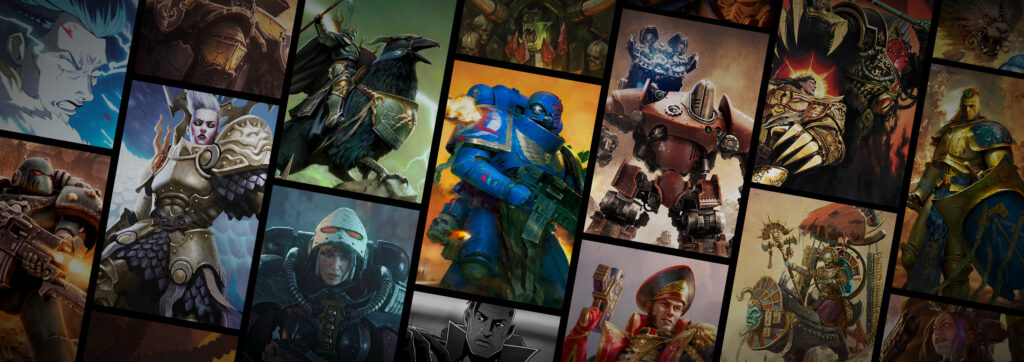
New features include tournament streams, lore archives, and painting courses. It’s both bold and ironic. The same company that once banned fan films now profits from them. But perhaps that’s growth — or survival.
19. Critical Role’s New Imprint Supports Indie Designers
Critical Role’s Creators’ Forge programme gives grants and distribution to small RPG designers. (Dicebreaker)
It’s mentorship as infrastructure. Instead of buying talent, Critical Role amplifies it. That’s community turned into business, and it works.
20. AI Miniature Sculpting Ignites Debate
AI-assisted sculpting is dividing the hobby. (Polygon)
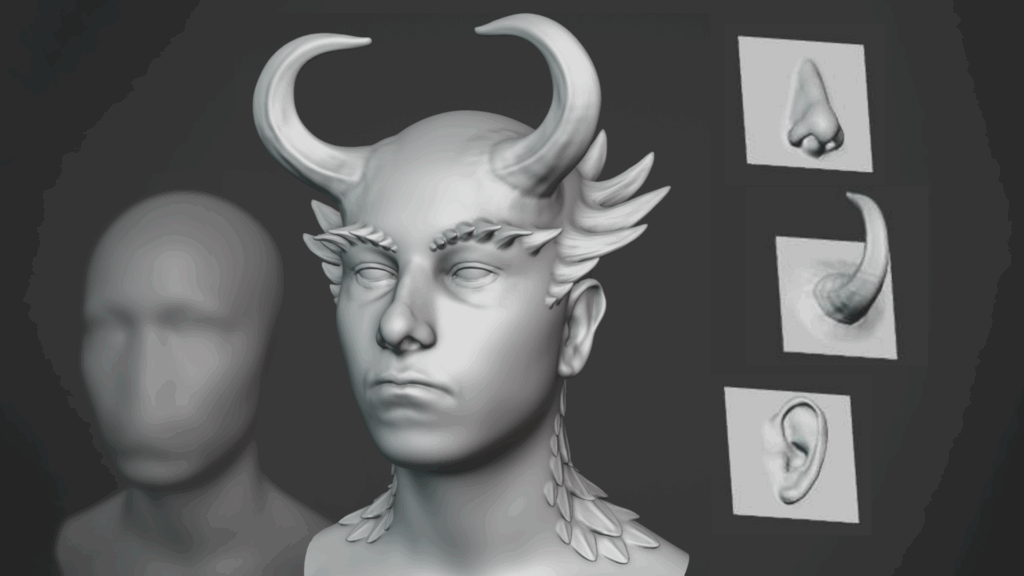
Advocates see accessibility. Artists see theft. Marketplaces are now considering AI disclosure policies. The tension cuts deep because miniatures are physical expressions of imagination. If the human hand disappears, does the magic go with it?
This is the next frontier– creation itself becoming automated.
The Shape of the Stories
What ties all of these stories together isn’t conflict but transformation.
Control versus creativity. Nostalgia versus progress. Profit versus participation.
The hobby mirrors its own mythology: small creators rise against vast powers, not out of hate but hunger for self-expression. Publishers, for their part, are learning that openness feeds loyalty faster than lawsuits ever will.
From the quiet tables of indie sculptors to the roaring halls of Gen Con, one truth echoes: the dice are changing hands.
And maybe that’s the point. The Machine God still provides, but the spark now belongs to everyone.
Comments are closed